Forest School is a learner-led approach that seeks to develop a person’s confidence and self-esteem through experiential learning. It’s often done in a natural setting. While the physical environment is very important for this approach, it is the ethos behind the approach that makes it particularly special. The Forest Schools educational approach grew from a Scandinavian approach to outdoor learning. This approach has since been implemented and adapted to work within a British context, and all is now present in Forest Schools all over the world. It’s a process that gives opportunities to all types of learners.
What do we do at Forest School?
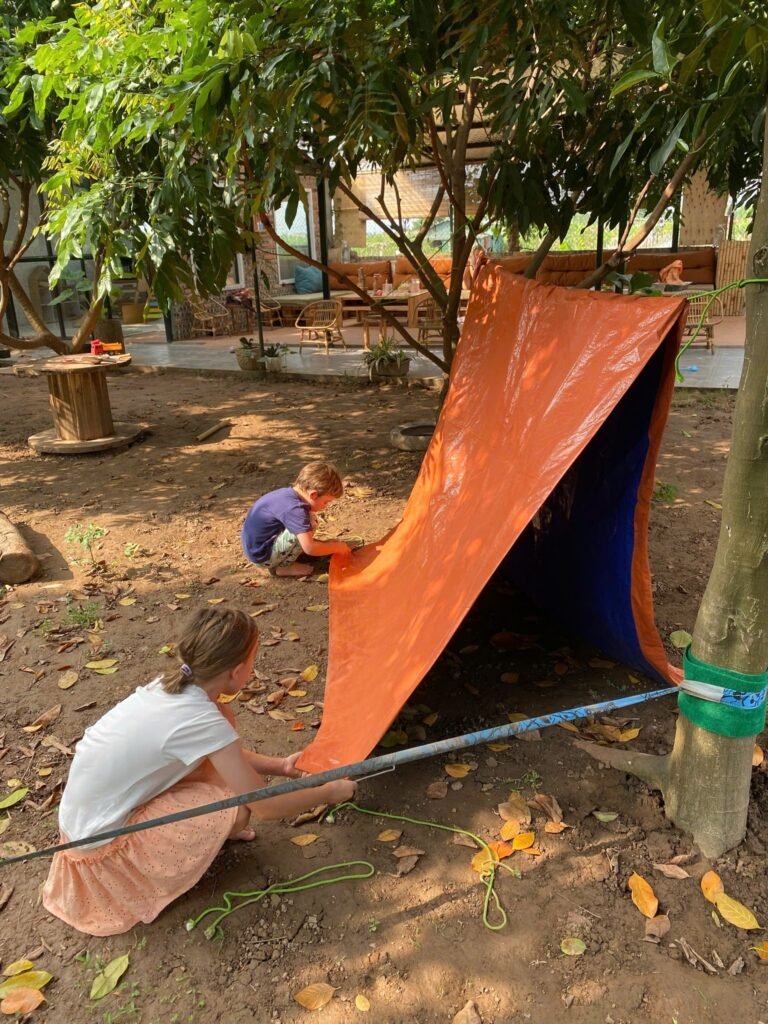
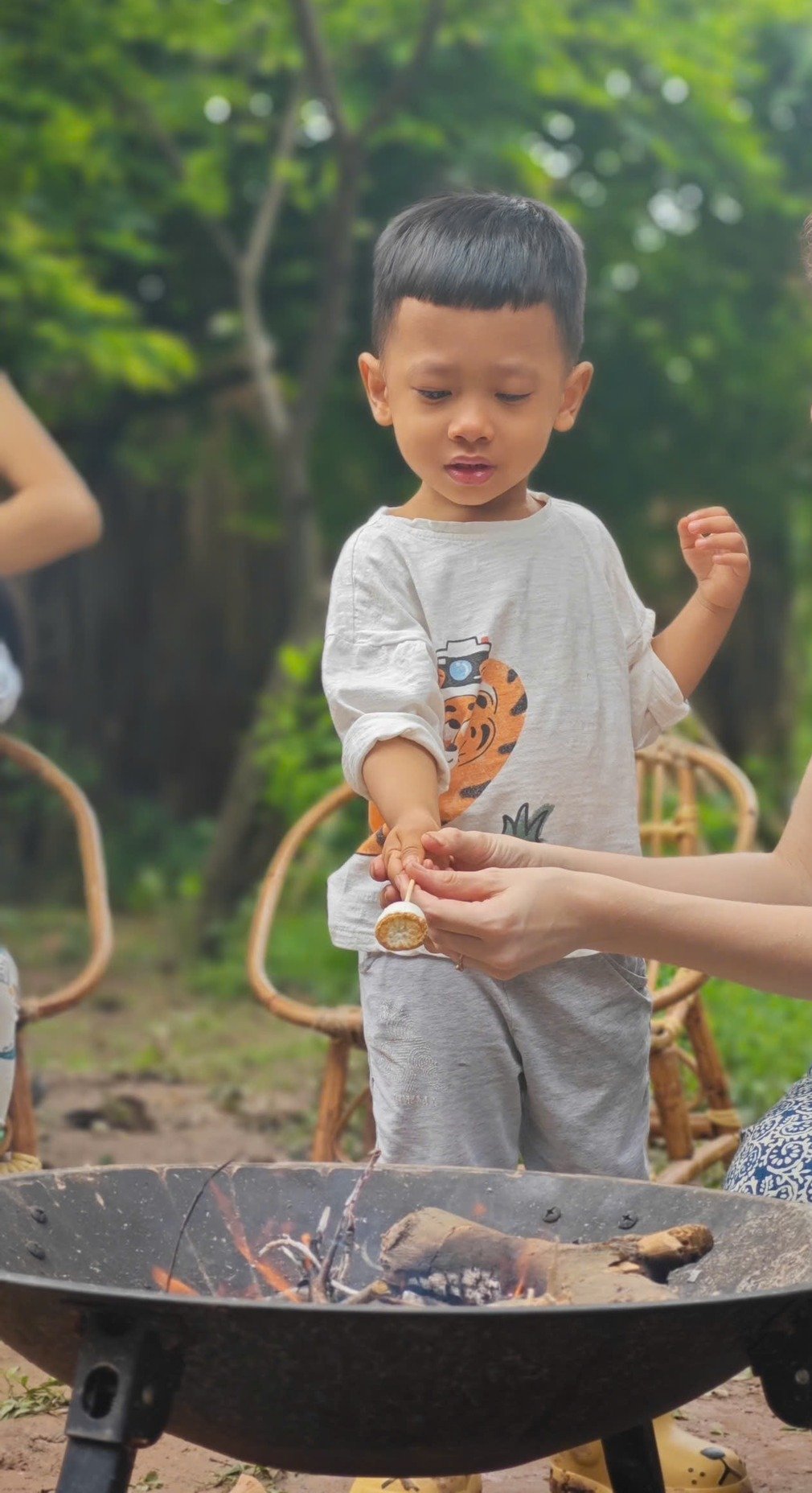
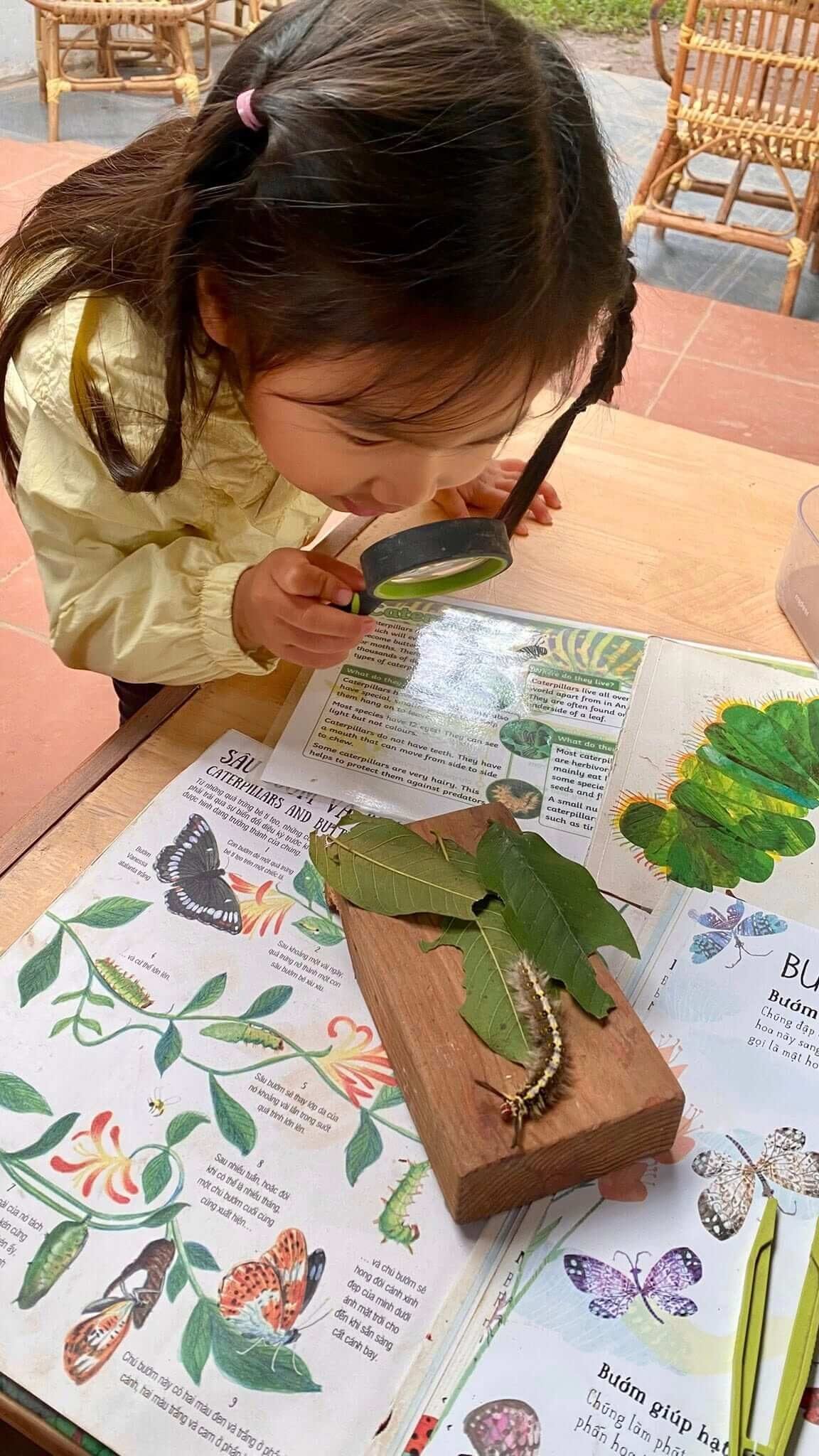
Activities and learning opportunities may vary from session to session, but children can expect a rich range of experiences rooted in nature and play. These may include bushcraft using Forest School tools, campfire building, lighting and storytelling, cooking over the fire, den building, and making music. Sessions often include child-led play, collaborative games, team-building and problem-solving activities, as well as physical challenges such as obstacle courses. Children will also have opportunities for nature and wildlife discovery, observation and identification, alongside creative experiences like nature art, craft, and sensory play.
The Forest School Ethos and Principles
Qualified practitioners
Forest School is run by qualified Forest School practitioners
who continuously maintain and develop their professional
practice.
The learners lead
It’s a learner centered, play based approach. This makes each program unique as it focuses on the needs of the learners. Freedom of choice and play are important parts of forest school. This is where learning happens.
In nature
It takes place in a natural setting to support the development
of a relationship between the learner and the natural world.
A holistic approach
The Forest School approach supports development
holistically. This means that we look at the ‘whole’ person. We focus on a learners social, physical, cognitive, linguistic, spiritual and emotional development together.
Appropriate risk taking
Children are supported to take managed risks, such as
climbing, using tools, and fire-making. Through this, they
build confidence, independence, and decision-making skills in a safe, supportive environment
Long term process
It is a long term process of regular sessions; the cycle of
planning, observation, adaptation and review links each session
Memberships
Memberships include:
Weekly Forest School sessions
Free admission to all Play Sessions
Access to seasonal events
Monthly
1,000,000 vnd
Quarterly
2,500,000 vnd
Yearly
9,000,000 vnd